Five U.S. Drugmakers Halt New Trials at Chinese Military Hospitals
AbbVie, BMS, Lilly, Merck and Pfizer will launch no new trials at PLA-run hospitals after FDA inspectors were twice blocked in Beijing. Four also exit Xinjiang; AbbVie does not.
517 words on the filing
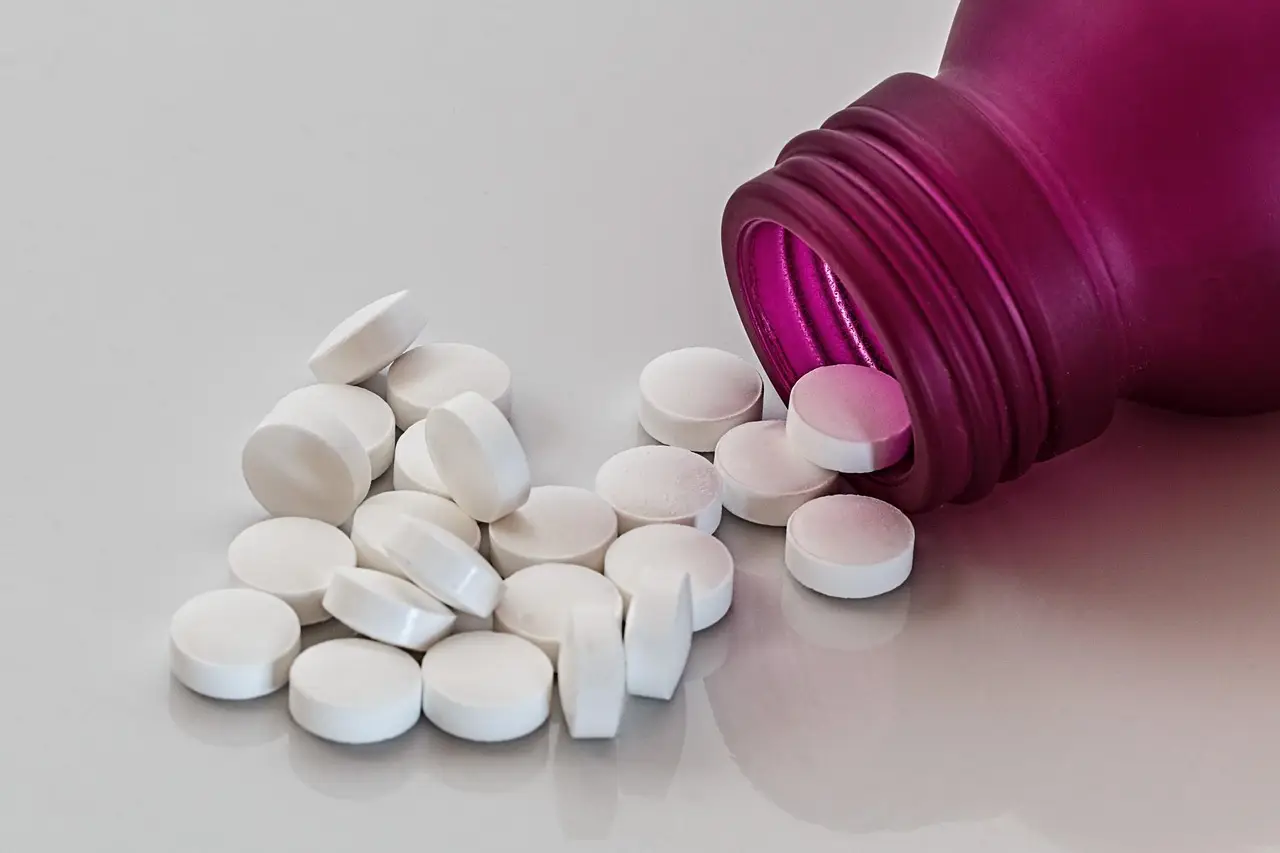
Five of the largest U.S. pharmaceutical companies will stop launching new clinical trials at hospitals run by China's People's Liberation Army. AbbVie, Bristol Myers Squibb, Eli Lilly, Merck and Pfizer confirmed the shift to the House Select Committee on the Chinese Communist Party.
The commitments carry one conspicuous gap. Four of the five companies also agreed to end clinical trials in Xinjiang, the region the U.S. government has designated as the site of genocide against Uyghurs and other minorities. AbbVie, maker of Humira, declined to make that commitment.
What triggered the pullback?
Committee Chairman Rep. John Moolenaar sent letters to the drugmakers earlier this year questioning their research operations at those locations. The corporate decisions followed.
The scrutiny traces back to an excerpt from Prescription America: How to Protect Americans from a Dangerous Dependence on China for Their Medicines, which revealed that FDA inspectors were denied entry to a clinical trial site in Beijing. In 2021 and again in 2024, a clinical investigator at the 5th PLA Medical Center blocked FDA officials from inspecting the facility unless they formally recognized Beijing's territorial claims over Taiwan.
"Major American drugmakers are changing course and doing the right thing by halting new clinical trials at high-risk locations in Xinjiang and at Chinese military hospitals," Moolenaar said in a statement.
"Doing drug research at these locations raised serious ethical and national security concerns," he said. "It is common sense to ensure that our pharmaceutical research is not intertwined with the CCP's human rights abuses."
What about AbbVie?
Moolenaar singled out the company directly. "It is outrageous that AbbVie will still conduct clinical trials in a region where the CCP is committing genocide," he said. "That decision does not reflect the values of its customers or even the majority of its employees, and it should immediately join its peers in ending this practice."
AbbVie has not publicly explained its reasoning for the difference. The commitments from all five companies, it should be noted, cover new trials; the statements leave the fate of ongoing studies at those sites unaddressed.
Is the FDA's data pipeline next?
"Any facility that blocks the FDA from inspecting its clinical trials cannot be trusted to develop safe medicines for Americans," Moolenaar said. "The FDA should never accept data from sites controlled by the PLA, and we must cut dependence on Chinese firms for our pharmaceutical supply chains."
Legislative pressure is already moving. In May, Moolenaar advanced language in the 2027 Department of Agriculture funding bill report that would prohibit the FDA from accepting, reviewing, or considering covered clinical data generated at trial sites in China.
In August, he sent a formal letter to the agency calling on regulators to stop using Chinese clinical trial data in any new drug or trial application unless FDA officials have physically inspected the testing site within the past 12 months.
For sponsors running global development programs, the message is blunt: sites that condition FDA access on geopolitical concessions now sit outside the acceptable data base, and Congress is working to write that into law.
via FDA industry wire (Google News) (Source)
More from Rebecca Stone
Show full bio
Staff writer covering money, funding and market shifts around global pharmaceutical industry at PharmInsider.
36 articles