FDA-Approved Cattle Drug Experior Hits $200M as Deaths Mount
Elanco's Experior, approved to cut feedlot ammonia, topped $200M in 2025 sales amid 75 adverse-event reports, bloat deaths, and off-label growth promotion by industry-funded academics.
758 words on the filing
Summary of findings
- Experior sales exceeded $200 million in 2025, up 80% year over year
- FDA received 75 adverse-event reports on lubabegron as of July 2026; 59 involved death, including 229 deaths at one feedlot
- Approval studies showed bloat only in Experior-fed cattle; FDA ran no statistical analysis
- FDA dissolved its Veterinary Medicine Advisory Committee in 2013; ADUFA collected $30 million in fees in fiscal 2025
Experior generated more than $200 million in sales in 2025, an 80% jump from the prior year, while federal adverse-event reports tied to its active ingredient climbed to 75 as of July 2026. Death appeared in 59 of those reports. One filing from October 2024 alone documents 229 unexpected deaths at a single feedlot.
The drug, made by Indiana-based Elanco Animal Health, entered the market in 2021 after an FDA review in 2018 that broke new ground. Elanco did not seek approval for Experior as a growth promoter — the beta-agonist class it belongs to is banned or restricted in more than 160 countries. Instead, the company filed it as an environmental product, claiming it reduces ammonia emissions from feedlot manure and urine.
There are no federal or state limits on ammonia emissions from cattle feedlots. That gap did not block approval.
What did the approval studies show?
Across six studies, cattle receiving the highest doses developed lameness more often than controls. In two studies, researchers diagnosed bloat — a condition where gas trapped in the rumen suffocates the animal — only in Experior-fed cattle, most found dead. Control groups recorded zero cases. The FDA ran no statistical analysis on the difference.
"The total number of cases observed across both groups was too low to support meaningful statistical comparison," an FDA spokesperson wrote by email.
The agency attributed the lameness to muddy pens and foot rot, since most cases improved after medicated foot baths. "This is scientifically not valid," one of three former FDA Center for Veterinary Medicine scientists told Investigate Midwest on condition of anonymity. "It doesn't mean that it didn't happen or that it's not due to the drug."
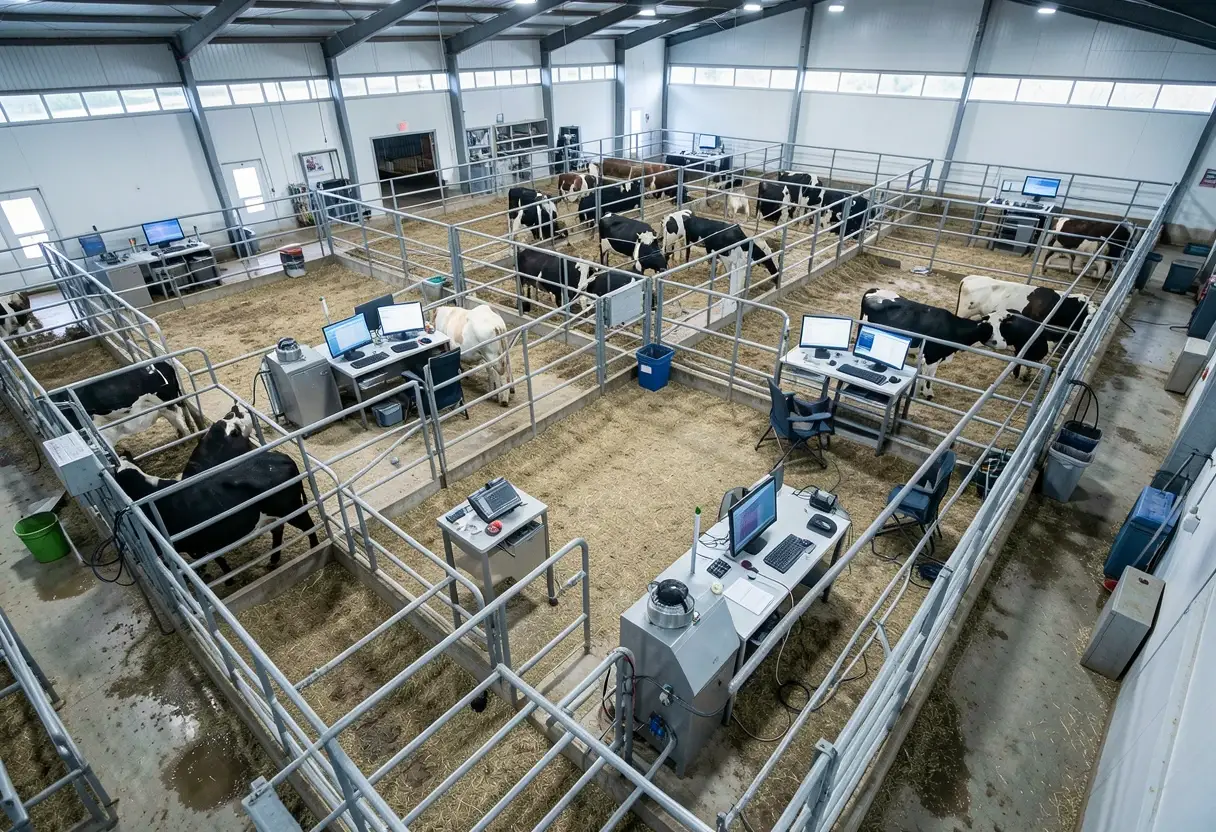
Elanco never tested Experior in the open-air feedlots where it would actually be used — facilities that sometimes hold more than 100,000 animals. The studies ran in small closed pens and controlled chambers, some with just 12 animals. The FDA acknowledges real-world environmental benefits are unknown. Demonstrated benefit: a 14% to 18% reduction in ammonia per pound of animal weight. The drug showed no significant effect on methane or carbon dioxide.
"Experior's safety profile is documented and demonstrated through nearly two decades of required scientific studies," wrote Elanco representative Season Solario.
How did an environmental drug become a growth blockbuster?
The FDA never established how the drug works in cattle. Elanco's theory holds that Experior improves nitrogen efficiency; toxicologist Dr. John Tegzes, in a 44-page declaration filed in a 2020 Animal Legal Defense Fund lawsuit, argued the data better fit a darker possibility: cattle gaining weight while effectively starving. "[Cows] were starving, but still gaining weight," said ALDF lawyer Cristina Kladis. The judge ruled for the FDA without weighing expert testimony.
Commercial takeoff came in 2024, when post-approval papers highlighted Experior's growth effects and the FDA cleared combination products pairing it with antibiotics carrying weight-gain claims. Elanco cannot market Experior alone as a growth promoter, but university scientists can promote the off-label effect — and did.
Ty Lawrence of West Texas A&M told producers in Amarillo in June 2025: "If you're in the cattle feeding business and you're not feeding Experior, you're missing an opportunity." He did not disclose that Elanco paid him $5,800 for a single 2018 speaking engagement, or that the company paid his Beef Carcass Research Center $42,000 last year to run a study. A journal reviewer of a 2025 paper Lawrence co-authored with Elanco scientists flagged passages that "read like an advertisement" and challenged the claim of "no impacts on mobility." Lawrence declined to address disclosure questions but said he does not market Experior.
What is the wider fallout?
USDA slaughterhouse data show cattle arriving dead or unable to stand rose roughly 20% in 2024 versus 2023. In 2025, compared with 2017, 44% more arrived unable to stand and 36% more arrived dead — despite 1.5 million fewer heifers and steers slaughtered. Carcass weights frequently exceed 1,000 pounds; one adverse-event report lists five dead Angus at 1,800 pounds each, about 400 pounds above that year's average.
The FDA dissolved its Veterinary Medicine Advisory Committee in 2013. Critics including Steve Roach of Food Animal Concerns Trust point to the Animal Drug User Fee Act — $30 million collected in fiscal 2025 — as a structural conflict: "We have this real need for speed when it comes to drug approvals," Roach said. "But there seems to be no concern for actually protecting public health."
via FDA industry wire (Google News) (Source)
More from Rebecca Stone
Show full bio
Staff writer covering money, funding and market shifts around global pharmaceutical industry at PharmInsider.
36 articles