EU regulators weigh streamlining combination product reviews
European regulators and industry representatives proposed harmonizing Article 117 opinions, earlier manufacturer dialogue and MDR oversight for AI devices, without setting a common timetable.
TAG K-6477 · 735 words on the filing
Summary of findings
- Article 117 covers drug-led integral combinations; the current route can involve 52 notified bodies and EMA.
- Before 2020, health authorities alone assessed established integral products; notified bodies later issued opinions.
- An EU Implementing Act adopted earlier this year references structured dialogue before certification.
- COMBO includes EMA, NBCG-Med, medicines and device authorities, and the European Commission.
- A recent Commission proposal would place medical devices with AI elements under MDR rather than the EU AI Act.
By Rebecca Stone
The current Article 117 system can require manufacturers to navigate 52 notified bodies and the European Medicines Agency. At the AFDO/RAPS Combination Products Summit in Baltimore, European regulators and industry representatives described process changes and proposals to reduce that burden as notified bodies take a larger role.
The discussion remains preparatory. The panel offered no single implementation timetable for harmonized review, and several benefits remain proposals rather than measured outcomes.
What does Article 117 cover?
Alberto Gañan Jimenez, head of committees and quality assurance at EMA, identified harmonization between notified-body and regulatory-authority assessments as one of the strongest opportunities. Article 117 of the Medical Device Regulation (MDR) applies to drug-led integral drug-device combination products (iDDC).
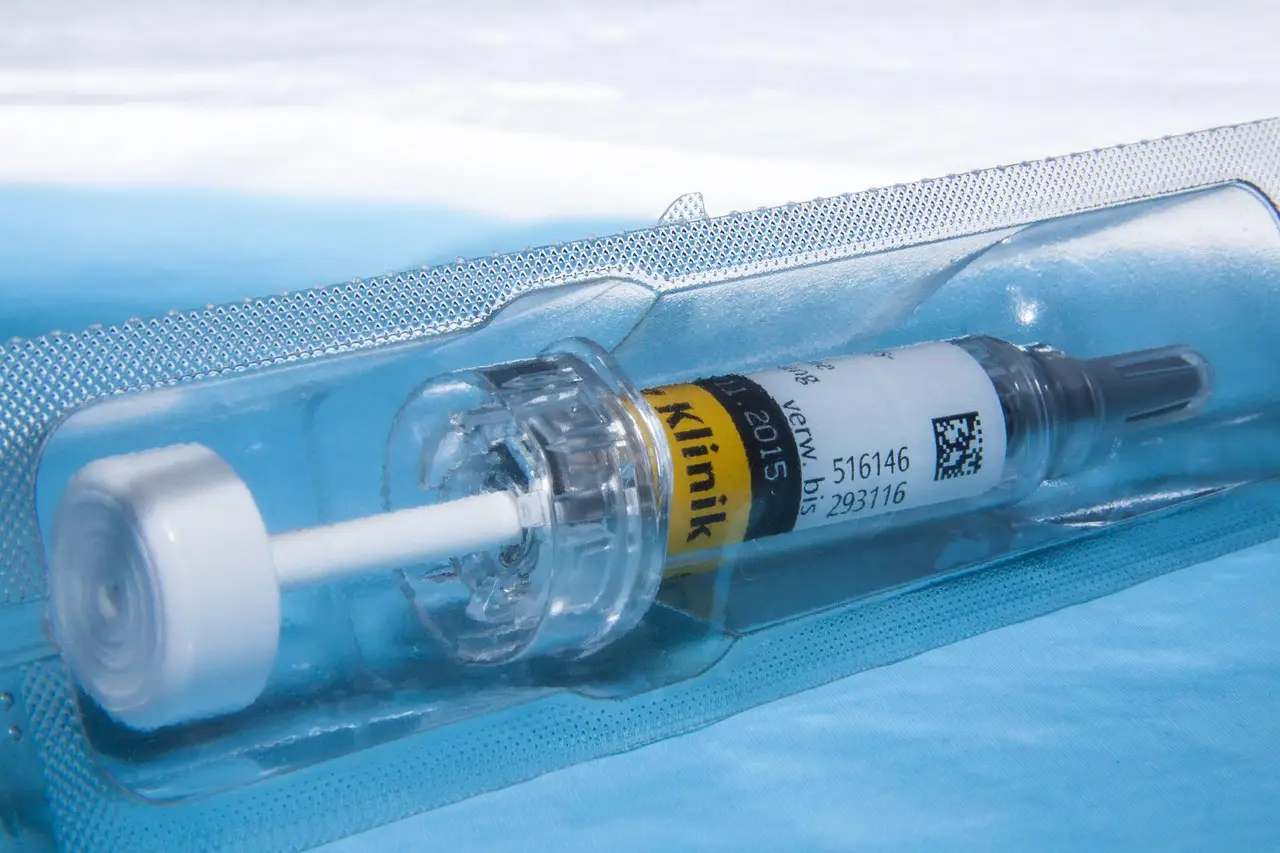
Before 2020, health authorities alone assessed the medical-device component of well-established integral products, mainly prefilled syringes and prefilled pens. In more recent years, notified bodies have provided opinions on such products.
Jimenez warned that future integral medicinal products will be much more complex. He said: “We will really start seeing delivery systems that can incorporate artificial intelligence (AI) software ... in that context, it will be crucial to have a streamlined process of notified body opinions that really complement the assessment of health authorities.”
Those opinions must align with, and integrate into, EMA assessments for new marketing authorizations or cross-authorizations. The practical test is whether that alignment removes duplicated work rather than creating another procedural layer.
Can manufacturers start dialogue earlier?
Maria Chiara Orlandi, the European Commission’s notified-bodies team leader, described existing cooperation through the Combination Products Operational Group, or COMBO. Its members include EMA, notified bodies represented by NBCG-Med, medicines and device competent authorities, and the European Commission.
Orlandi cautioned that the system is not yet ready, while arguing that stakeholders beginning to talk makes a difference. She expects structured dialogue to improve manufacturers’ preparedness.
In practical terms, the proposed timetable resembles a pre-submission meeting: manufacturers engage notified bodies before launching an application and before conformity assessment begins, then continue during assessment or even after certification. Orlandi said the Commission has proposed requirements for notified bodies to document procedures for those exchanges.
The EU adopted an Implementing Act earlier this year that references a structured-dialogue phase before certification begins. Orlandi called that step essential and said the Commission and EMA are working together to determine how it can operate under the current framework, leaving practical arrangements unsettled.
Where does AI fit?
Andreas Emmendörffer, principal consultant at Phalcon Consulting, said the New Pharmaceutical Legislation creates an opportunity for harmonization because it defines combination products. Before that framework, manufacturers faced significant uncertainty because no clear definition existed.
He also cited the MDR proposal’s well-established technology concept and the established medicine-and-product approach for integral device combinations. Emmendörffer noted that many regulatory frameworks remain under development or implementation and could increase manufacturers’ burdens.
He welcomed a recent Commission proposal to assess medical devices with AI elements under the MDR rather than the EU AI Act. Emmendörffer said the approach could simplify review and reduce burden, though the proposal still needs implementation before it changes manufacturers’ regulatory workload.
What remains unresolved?
Jimenez said some combination-product issues require legislative change, but guidance, coordination and process improvements could reduce burdens now. His suggestions included harmonizing notified-body opinion templates, better aligning opinions, requiring opinions in postmarket settings, and establishing high-level classification guidelines for lifecycle management.
Thomas Wejs Møller, Novo Nordisk’s senior director for global medical-device regulatory affairs, praised COMBO and said industry has high hopes. FDA officials attended, and he wished European counterparts could meet face-to-face: “I wouldn't say there's scientific advice going on over the coffee machine, but you can interact here. This is something we maybe miss in Europe.”
Møller said Article 117 needs streamlining and recommended that one notified body act as a subcontractor for the others. Novo Nordisk can handle the current process, he said, but smaller companies struggle to navigate 52 bodies; he called for more steering and a more centralized position comparable to the US system.
The proposals could reduce duplicated effort, but the panel supplied no evidence yet of shorter review times, lower costs or fewer divergent device opinions. For portfolio teams, the nearer-term task is to track which notified-body template, dialogue procedure and classification guidance become standard across Europe.
via Regulatory Focus (Google News) (Source)
More from Rebecca Stone
Show full bio
Staff writer covering money, funding and market shifts around global pharmaceutical industry at PharmInsider.
10 articles
Linked filings
- P-6323
- K-1653
- E-4696
- T-2239
- K-4971